
Property Taxes in Tennessee: What Relocating Buyers Should Know
If you're thinking about moving to Tennessee, you've probably heard people mention Tennessee's taxes as one of the reasons to consider living here.
But when you're actually shopping for a home, you may look at a Tennessee property-tax record and think:
“Wait… how are they calculating this?”
Tennessee property taxes work a little differently than what you may be accustomed to in another state.
And here's something especially important for relocating buyers:
Your property-tax bill can change depending on exactly where you buy ~ even when two homes aren't very far apart.
Let's break it down.

Tennessee Property Taxes Are Local
Tennessee does not have one statewide property-tax rate that every homeowner pays.
Property taxes are administered at the local level. County commissions establish county tax rates, while cities can establish their own municipal property-tax rates.
That means the location of a home matters.
Two similarly priced homes in different Tennessee counties ~ or even a home inside city limits versus one outside city limits ~ can have different property-tax bills.
When you're comparing Tennessee homes, don't assume the taxes on one property will be the same as another just because the purchase prices are similar.
How Are Tennessee Property Taxes Calculated?
Here's where Tennessee's system can initially look confusing.
For residential property, Tennessee doesn't simply take the home's appraised value and multiply it by the local tax rate.
Residential and farm properties are assessed at 25% of their appraised value.
So, for example:
If the county assessor appraises a residential property at $400,000, its assessed value would generally be:
$400,000 × 25% = $100,000 assessed value
The applicable local property-tax rate is then applied to that assessed value.
Tennessee tax rates are generally expressed as an amount per $100 of assessed value.
Let's say, purely as an example, the applicable tax rate were $2.50 per $100 of assessed value.
The calculation would look like:
$100,000 ÷ 100 = 1,000
1,000 × $2.50 = $2,500
That would equal a $2,500 annual property-tax bill in this hypothetical example.
Your actual bill depends on the property's appraised value and the tax rates that apply to its specific location.

Appraised Value Isn't Necessarily Your Purchase Price
This is another important distinction.
The county assessor determines a property's appraised value for property-tax purposes.
That's different from:
The price the seller is asking
and
The price you ultimately pay for the home.
The assessor's appraised value is also different from a lender's appraisal performed during a home purchase.
They're related to different processes.
So if you're buying a $450,000 Tennessee home, don't automatically calculate your future taxes using $450,000.
Look at the property's actual tax information and the applicable local tax structure.
County Taxes vs. City Taxes
This is something relocating buyers should pay close attention to.
Depending on where the property is located, you may have a county property-tax obligation as well as a municipal property-tax obligation.
That means a home located inside a city's taxing jurisdiction may have a different total tax burden than a property outside it.
This can become particularly interesting when we're looking at homes near city boundaries.
You might have two properties that feel like they're in essentially the same area but have different tax situations.
That's why I look at the specific property, not just the town name.
Property-Tax Rates Vary Across Tennessee
There isn't one Tennessee property-tax rate I can give you and say:
“This is what you'll pay.”
Local governments set their own rates based on their budgets, tax bases and services.
Those rates can also change over time.
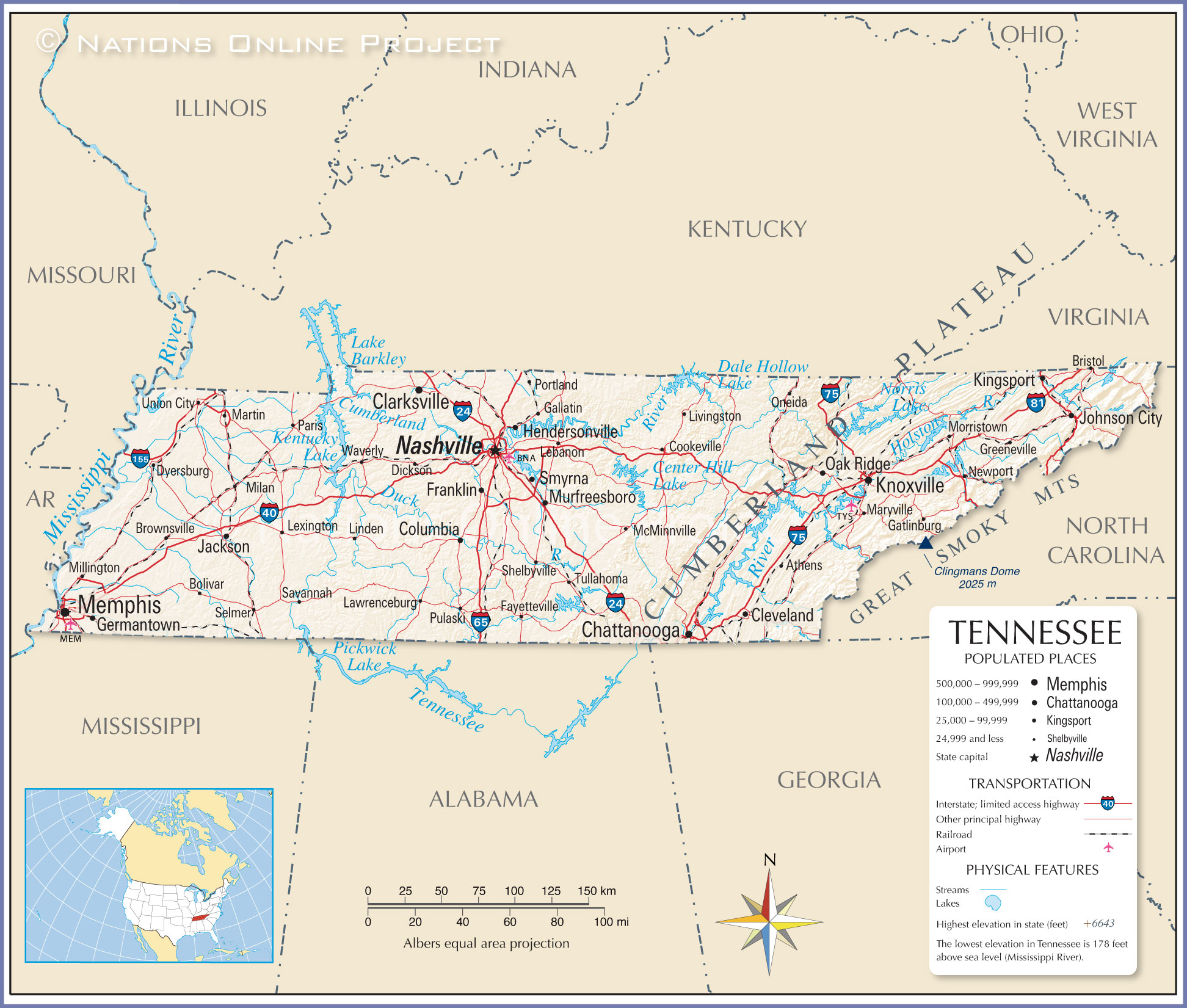
So when you're comparing Hendersonville to Gallatin, Lebanon to Mount Juliet, or Cookeville to another Tennessee community, property taxes should be one piece of the overall cost comparison.
And if you're considering several different counties, the difference can become even more important.
What Happens When Tennessee Reappraises Properties?
Tennessee counties periodically reappraise real property to update values.
Under state law, counties operate on reappraisal cycles, and real property must be revalued at least every six years, with some counties doing it more frequently.
If property values have increased significantly since the previous reappraisal, you may see the property's appraised value increase.
But here's an important detail:
A higher appraisal during a countywide reappraisal does not automatically mean everyone's property-tax bill increases by the same percentage.
Tennessee has what's known as a certified tax rate process.
Following a reappraisal, local governments calculate a tax-neutral rate designed so the jurisdiction doesn't automatically collect more total property-tax revenue simply because overall property values increased.
Individual homeowners can still see their bills increase or decrease depending on how their property's value changed relative to other properties and what tax rate the local government ultimately adopts.
So if you hear:
“Our county just had a reappraisal and everyone's taxes are doubling!”
Don't automatically assume that's how it works.
Look at the actual assessment and adopted tax rate.

Don't Base Your Budget on the Seller's Monthly Mortgage Payment
This is especially important for relocation buyers.
The current homeowner may have purchased the property years ago.
Their mortgage terms, insurance costs, exemptions, loan balance and escrow situation have nothing to do with what your monthly payment will be.
When deciding whether a Tennessee home fits your budget, have your lender calculate an estimated payment using current information for:
Purchase price
Down payment
Interest rate
Property taxes
Homeowners insurance
Mortgage insurance, if applicable
HOA fees, if applicable
Your monthly payment matters more than simply knowing the property's listing price.
What About New Construction?
Pay extra attention to property taxes when buying a newly constructed home.
Sometimes an online property record or listing may reflect taxes based primarily on the land before the completed home was assessed.
That can make the previous tax amount look surprisingly low.
Don't assume that amount represents what you'll continue paying once the completed home is fully assessed.
Ask questions and have your lender account for a more realistic tax estimate when determining your future housing payment.
This can help prevent an unpleasant escrow surprise later.
What About Homes on Acreage?
If you're moving to Tennessee because you want land, taxes are another reason to look closely at the individual property.
Tennessee has programs and classifications that can affect qualifying properties, particularly certain agricultural, forest and open-space land.
However, don't assume that buying acreage automatically qualifies you for a reduced tax treatment.
Eligibility requirements matter, and changing the use of qualifying land can have tax consequences.
If a property you're considering has a special tax classification, make sure you understand exactly what you're buying and what happens after ownership transfers.
Can Tennessee Property Taxes Change After You Buy?
Yes.
Property values can be reappraised, and local governments can change tax rates.
That's why I don't recommend building a long-term housing budget around the assumption that your property-tax bill will remain exactly the same forever.
This isn't unique to Tennessee, but it's something every homeowner should account for.

Tennessee Also Has Property-Tax Relief Programs
Certain qualifying Tennessee homeowners may be eligible for property-tax relief.
Tennessee's Property Tax Relief Program includes assistance for qualifying elderly homeowners, disabled homeowners, disabled veteran homeowners and certain surviving spouses.
There is also a property-tax freeze program available to qualifying homeowners age 65 or older in participating local jurisdictions.
These programs have specific eligibility, income and other requirements, and not every homeowner will qualify.
If you're retiring to Tennessee, though, they're worth knowing about and researching with the appropriate state or local agency.
What Should You Ask Before Buying?
When we're looking at a Tennessee property, some useful questions include:
What were the most recent annual property taxes?
Is the property inside city limits?
Are both city and county taxes applicable?
What is the county assessor's current appraised value?
Has the county recently completed a reappraisal?
Is this new construction with an incomplete tax history?
Does the property currently have any special land classification?
What tax amount is my lender using to estimate my monthly payment?
Those questions give you a much clearer picture than simply looking at the tax number shown on a real-estate website.
Property Taxes Are Only One Piece of the Tennessee Cost of Living
When relocating, it's tempting to compare states using one number.
But I recommend looking at your entire financial picture.
Consider:
Property taxes
Home prices
Homeowners insurance
HOA fees
Utilities
Transportation
Commute
Maintenance
Your overall monthly housing payment
A property with lower taxes isn't necessarily the better financial choice if another part of your cost of living is substantially higher.
Moving to Tennessee From Another State?
If Tennessee property taxes look different from what you're accustomed to, you're not alone.
You don't need to become an expert on Tennessee's tax system before buying a house.
What matters is understanding the costs associated with the specific property you're considering so there aren't surprises after closing.
If you're planning a Tennessee relocation, I can help you compare communities, explore available homes and understand some of the differences you'll encounter when buying here.
You can reach out even if you're still months ~ or a year ~ away from making the move.
Taylor Brianne Smith, REALTOR®
Licensed in Tennessee & Kentucky
Keller Williams Premier Partners – Tennessee
Office: (615) 822-8585
Cell: (615) 423-8915
Website: TayBriSellsTN.org
Property-tax information is general and may change. Always verify current assessments, tax rates, eligibility requirements and tax implications with the appropriate local or state agency and your tax professional.